


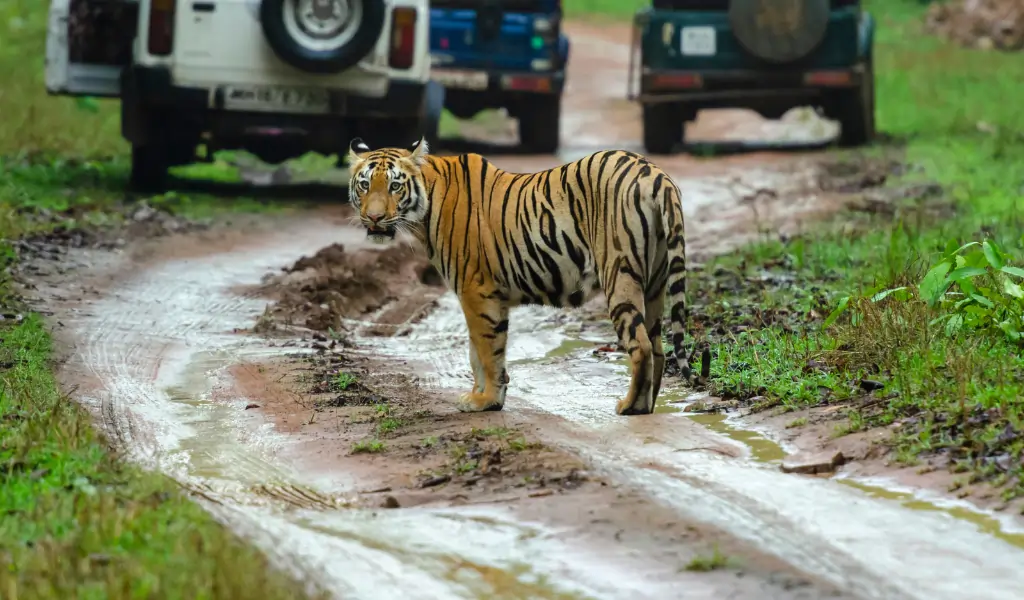
Hey there, fellow wanderers! Imagine this: You're in a jeep at dawn in a misty Indian forest, heart pounding as a majestic tiger steps out onto the pa
Hey there, fellow wanderers! Imagine this: You’re in a jeep at dawn in a misty Indian forest, heart pounding as a majestic tiger steps out onto the path, stares right at you for a heartbeat, then vanishes into the trees. No cages, no chains – just pure, wild magic. That’s the thrill that’s drawing millions of us Indians (and global travelers) to eco-tourism and ethical animal encounters these days. And in 2026? It’s exploding!
Post-pandemic, we’ve all craved nature more than ever. With surveys showing 82% of Indian travelers prioritizing sustainability in 2025 (and that number climbing), the rise of eco-tourism in India isn’t just a trend – it’s a movement. The market’s growing at double-digit rates, projected to hit massive figures by 2030, fueled by conscious choices, government pushes for conservation, and a desire for meaningful getaways. As someone who’s chased sunrises in national parks and chatted with local guides, I can tell you: when done right, this kind of travel changes you – and helps save the planet.
What Exactly is Eco-Tourism and Why is it Booming in India?
Eco-tourism is travel that respects nature, supports local communities, and educates you along the way. It’s not about ticking off sights; it’s about leaving places better than you found them. In India, with our incredible biodiversity – from Himalayan snow leopards to Kerala backwaters – we’ve got endless potential.
The numbers tell an exciting story. India’s ecotourism market grew steadily post-COVID, hitting around USD 14-20 billion recently, with forecasts showing strong CAGR of 9-18% through the next decade. Travelers are choosing off-peak trips (21% to reduce crowding), eco-lodges, and experiences that give back. Why? Because we want vacations that align with our values – protecting tigers, empowering villages, and cutting plastic waste.
Here are some breathtaking glimpses of sustainable Indian landscapes that capture the essence of eco-tourism:


These serene backwaters and green trails remind us why responsible travel feels so rewarding.
Ethical Animal Encounters: The Good, the Bad, and the Truly Magical
Now, let’s talk animals – because nothing beats spotting wildlife in its home. But here’s the reality check: Not all “encounters” are kind. Riding elephants? Posing for selfies with drugged tigers? Those are big red flags – they often involve cruelty, like “spirit-breaking” training or captive breeding for profit.
The good news? India leads in ethical animal encounters through national parks and true sanctuaries. Focus on observation from a distance, no touching or riding, and your money funds conservation.
Top Ethical Wildlife Spots to Add to Your 2026 Bucket List
- Tiger Safaris in Madhya Pradesh (Bandhavgarh, Kanha, Ranthambore): These parks boast high tiger densities and strict guidelines. Jeeps stay on paths, guides prioritize animal welfare, and fees support anti-poaching. It’s exhilarating – and tigers are thriving thanks to Project Tiger.
Feast your eyes on these powerful moments from ethical tiger safaris:

- Elephant Experiences in Periyar or Kaziranga: Skip rides! Opt for jeep safaris or ethical sanctuaries where rescued elephants roam free. Watch herds bathe at dawn – pure joy, no exploitation.
These gentle giants in their natural habitat are unforgettable:

- Other Gems: Spot rhinos in Kaziranga, birds in Bharatpur, or snow leopards in Hemis – all with responsible operators.
Pro tip: Choose certified eco-lodges, local guides, and operators like those following TOFT (Tour Operators for Tigers) standards. Your choices make a difference!
How You Can Travel Responsibly in 2026
Ready to join the movement? Start small:
- Pick eco-certified stays with solar power and zero-waste policies.
- Support community-run homestays – your money goes straight to locals.
- Follow “leave no trace” rules: No litter, respect distances from animals.
- Offset your carbon footprint and travel off-peak to ease pressure on hotspots.
It’s not about perfection – it’s about progress. Every ethical trip funds habitat protection, creates jobs, and spreads awareness.
So, as 2026 unfolds, let’s make our travels count. The rise of eco-tourism and ethical animal encounters in India is our chance to experience incredible beauty while protecting it for generations.
COMMENTS