limitlessnewz

How Wildlife Corridors Help Animals and Humans Coexist

HomeWildlife

How Wildlife Corridors Help Animals and Humans Coexist

Wildlife corridors are changing the game, creating safe pathways for animals to move between habitats while giving us humans safer, more peaceful live


Parenting Behaviors in the Wild: 5 Animal Lessons That’ll Make You Rethink Raising Kids
The Devastating Impact of Plastic Pollution on Marine Life
The Art & Adventure of Wildlife Photography: Capturing Nature’s Wild Heart

Wildlife corridors are changing the game, creating safe pathways for animals to move between habitats while giving us humans safer, more peaceful lives. These “nature highways” aren’t just for animals—they’re a win-win for coexistence in our crowded, beautiful country. Let’s explore how they work, real Indian success stories, and why they’re our best shot at harmonious living with wildlife.

What Are Wildlife Corridors and Why Do We Need Them?

In simple terms, wildlife corridors are strips of natural habitat connecting fragmented forests, national parks, or reserves. Think of them as green bridges over human barriers like roads, farms, and towns. In India, rapid development has chopped up once-continuous wilderness, forcing animals into risky treks through villages or highways.

This fragmentation leads to tragic roadkills, crop raids, and even human injuries. Corridors let animals migrate safely for food, mates, and higher ground during floods, while reducing those dangerous run-ins. The best part? They boost biodiversity—better gene flow means healthier populations—and support ecosystem services like seed dispersal that benefit our farms too.

How Wildlife Corridors Reduce Human-Wildlife Conflict

The biggest win for us humans? Fewer conflicts! When animals have safe routes, they’re less likely to raid crops, attack livestock, or wander into villages. Studies show corridors cut roadkill and rail accidents dramatically—think fewer heartbreaking elephant-train collisions.

In India, where human-elephant conflicts claim lives on both sides, corridors give herds predictable paths, away from settlements. Tigers disperse without straying far into farmlands, maintaining genetic diversity and reducing poaching risks. Communities gain too: healthier forests mean better water, timber, and eco-tourism jobs.

It’s a beautiful balance—animals thrive, humans stay safer, and nature keeps flowing.

Iconic Indian Examples: Kaziranga’s Lifesaving Corridors

Kaziranga National Park in Assam is a classic case. During monsoons, floods submerge grasslands, forcing rhinos, elephants, and deer to higher Karbi Anglong hills. The natural corridor across highways was deadly—animals risked speeding vehicles.

Now, innovative solutions like the new 35-km elevated wildlife corridor on NH-715 (launched in 2026) let animals pass underneath while vehicles roll above. It’s designed for rhinos, elephants, and tigers’ traditional routes, cutting accidents and saving lives. Nine elephant corridors are also planned—real progress for coexistence!

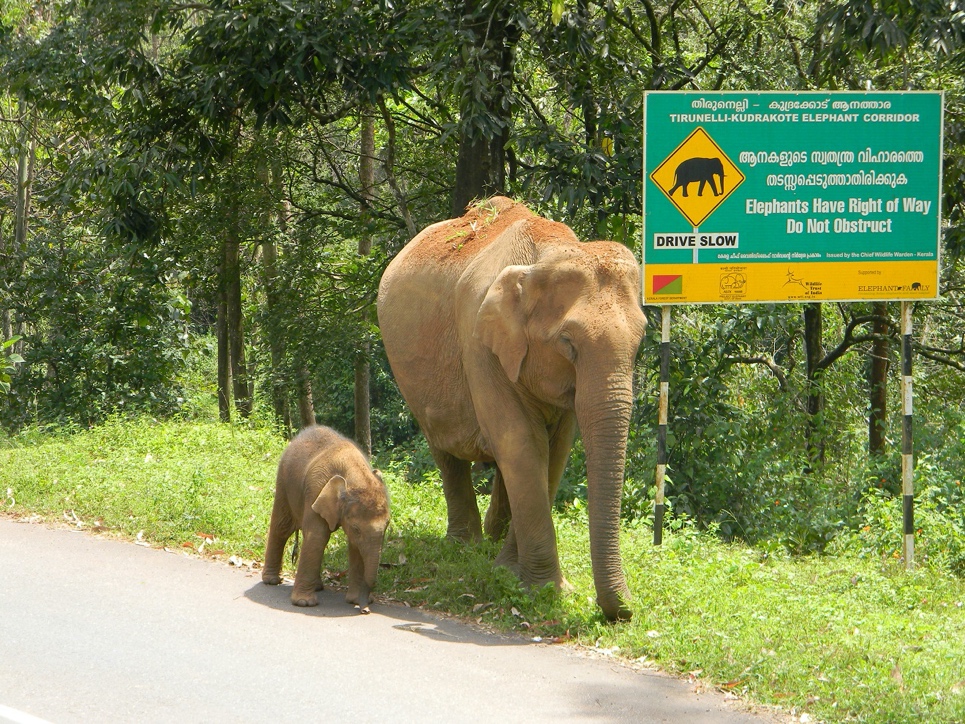
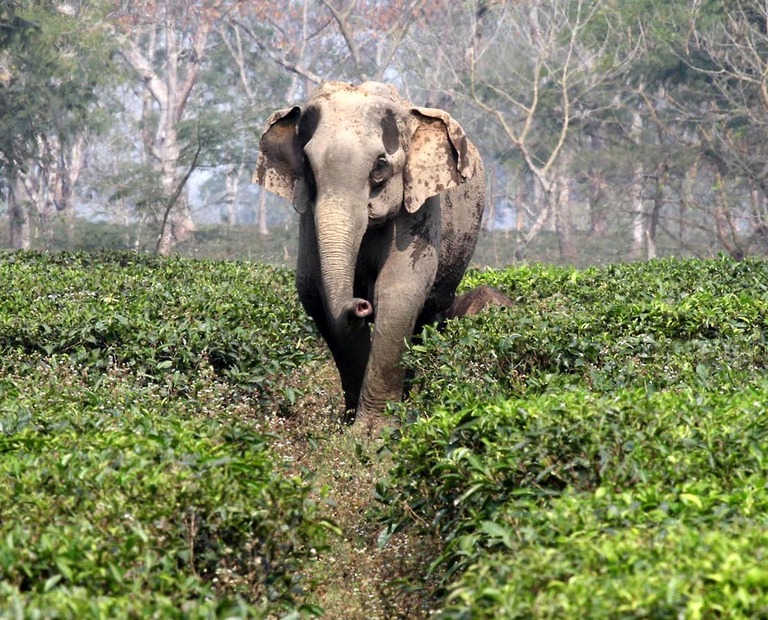
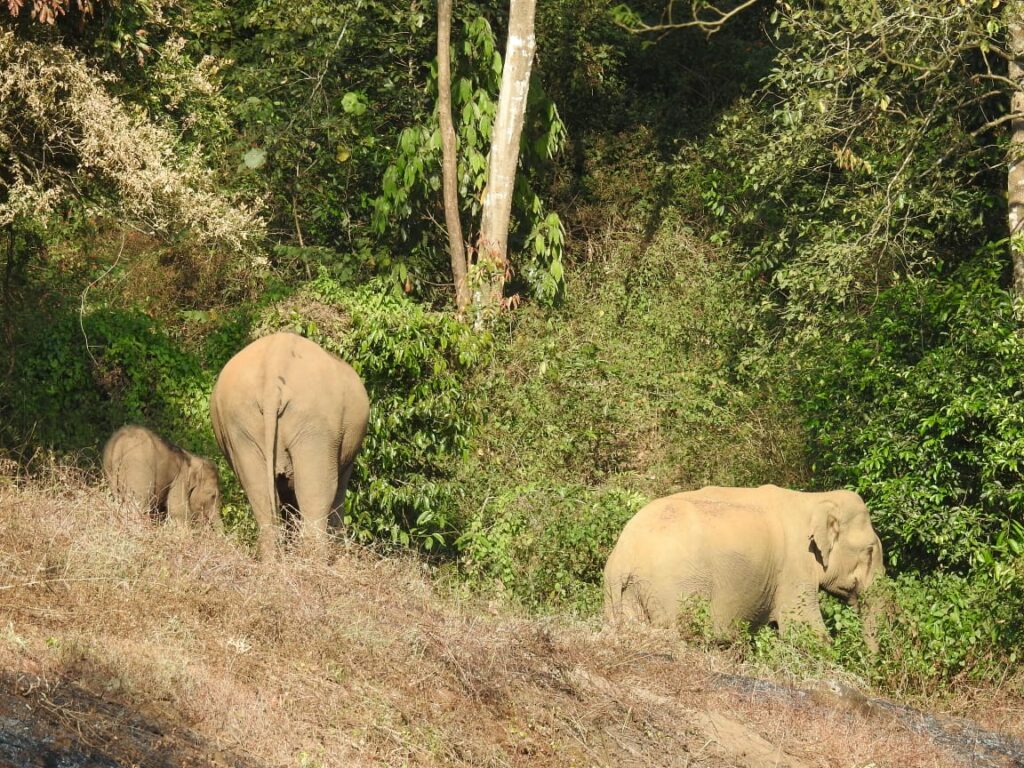
Here are stunning shots of elephants using these vital pathways in Assam:

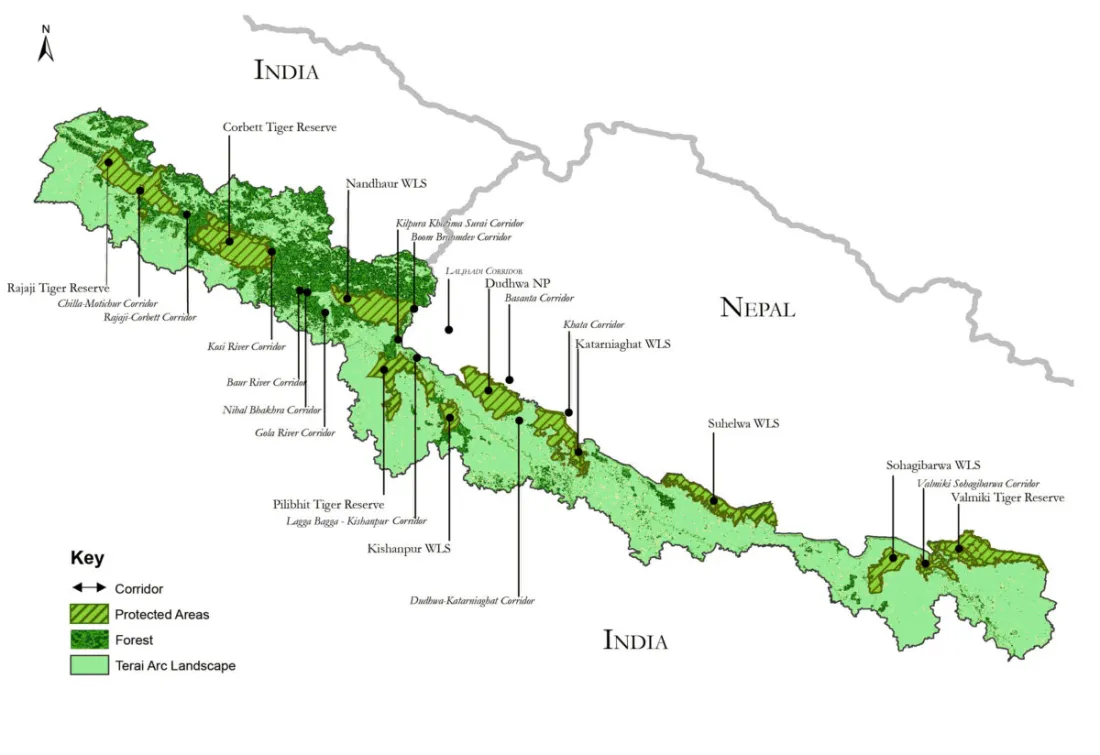
Terai Arc Landscape: Tigers Roaming Free Across Borders

The Terai Arc Landscape (TAL) spans India and Nepal, connecting 16 protected areas like Corbett, Dudhwa, and Chitwan. This transboundary network has helped tiger numbers surge—over 880 tigers now, with India and Nepal nearly doubling populations!

Corridors allow “transboundary tigers” to disperse, find mates, and avoid inbreeding. Farmers in mosaic landscapes (farms + forests) benefit from regenerative practices, reducing conflicts while boosting incomes.

These images capture tigers thriving in the TAL corridors:

Innovative Crossings: Underpasses and Overpasses in Action

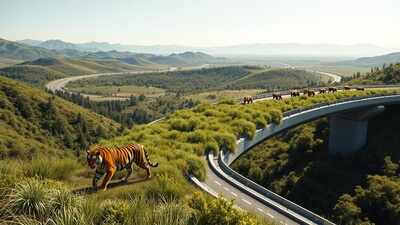
Modern corridors include smart engineering—like underpasses on NH-72/58 in Uttarakhand or India’s longest wildlife overpass on the Delhi-Mumbai Expressway. Animals cross safely, humans drive uninterrupted—fewer deaths, less stress.

These structures are game-changers for elephants, tigers, and more:

The Bigger Picture: Benefits for Biodiversity and Communities

Beyond conflict reduction, corridors enhance seed dispersal, improve water cycles, and build climate resilience. In places like Nilgiri Biosphere Reserve, they connect tiger and elephant habitats across states, protecting endemics like Nilgiri tahr.

Communities gain eco-tourism revenue, alternative livelihoods, and pride in guardianship. It’s not just saving animals—it’s sustaining our shared home.

As we wrap up, wildlife corridors prove coexistence is possible and thriving in India—from Assam’s elevated paths to transboundary tiger trails. They protect our heritage while making life safer for everyone.

COMMENTS

WORDPRESS: 0
DISQUS: