



You're in your bustling Indian kitchen, whistling along with the pressure cooker as it cooks dal in minutes, or lazily flipping channels while the cei
You’re in your bustling Indian kitchen, whistling along with the pressure cooker as it cooks dal in minutes, or lazily flipping channels while the ceiling fan whirs above, keeping the summer heat at bay. Ever paused mid-bite of your microwave-reheated roti and wondered, “How does this magic happen?” As someone who’s grown up in a typical desi household—complete with chai breaks and endless family debates—I’ve always been hooked on the science hiding in plain sight. Everyday science isn’t just textbook stuff; it’s the clever tricks making our daily lives smoother. Let’s dive into how some common things actually work, with simple explanations that’ll make you see your home in a whole new light. Who knows, it might even win you that next argument at the dinner table!
The Whistling Wonder: How Your Pressure Cooker Speeds Up Cooking
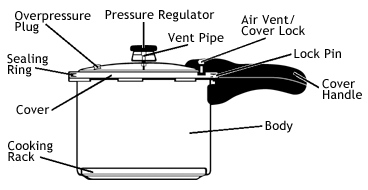
Ah, the pressure cooker—every Indian mom’s best friend for whipping up sabzi or rice in a flash. But how does it turn tough lentils into mushy goodness so quickly? It’s all about steam and pressure. When you heat water in a sealed pot, the steam can’t escape, building up pressure inside. This raises the boiling point of water from the usual 100°C to around 121°C, cooking food faster at higher temps. That whistle? It’s a safety valve releasing excess steam to keep things from exploding—think of it as the cooker’s way of saying, “I’m done!”
Remember those Diwali preps where the cooker saves the day? Without this pressure boost, you’d be stirring forever. Next time, appreciate the physics turning your kitchen into a speedy science lab.
Zapping Your Food: The Science Inside Your Microwave Oven
Gone are the days of cold leftovers—enter the microwave, zapping your idli or last night’s curry in seconds. How? It uses electromagnetic waves (microwaves) to make water molecules in your food vibrate super fast, creating heat through friction. Unlike a gas stove that heats from the outside, microwaves penetrate the food, cooking it evenly from within. That humming sound? It’s the magnetron generating those waves, bouncing around the metal chamber to hit every bite.
Ever noticed how metal sparks inside? That’s because it reflects the waves, causing chaos—stick to glass or plastic! In our fast-paced Indian lives, this gadget is a lifesaver, but it’s the clever dielectric heating that makes the real magic.
Bubbly Clean: How Soap Washes Away the Grime
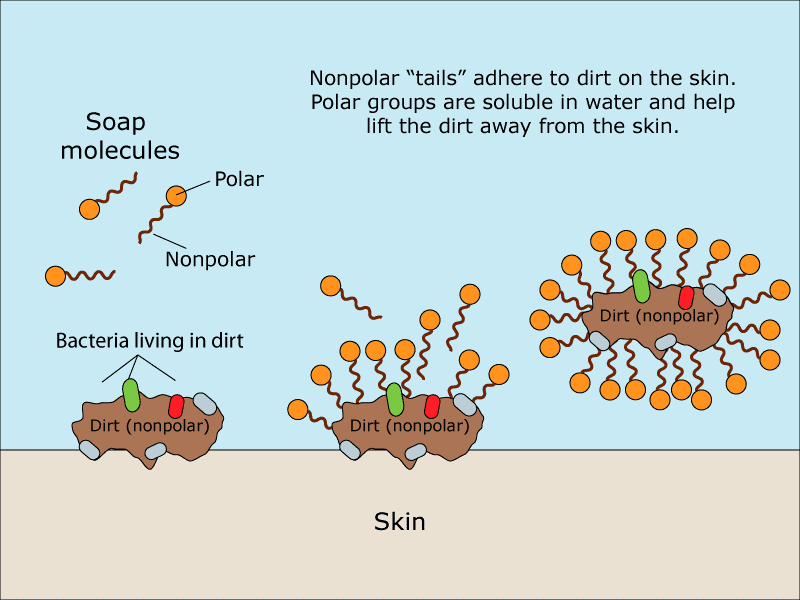
From scrubbing oily hands after a greasy paratha feast to lathering up post-Holi colors, soap is our go-to cleaner. But what’s the trick? Soap molecules have a hydrophilic (water-loving) head and a hydrophobic (water-hating) tail. The tails grab onto grease and dirt, while the heads pull them into water, forming micelles that trap the gunk and rinse away. It’s like a molecular bridge, emulsifying oils so they mix with water and vanish down the drain.
In India, where handwashing is key during monsoons to fend off germs, soap doesn’t just clean—it destroys bacterial membranes too. Lather for 20 seconds, and you’re harnessing everyday science to stay healthy. Makes you rethink that simple bar of soap, right?
Breezy Relief: The Mechanics of Your Ceiling Fan
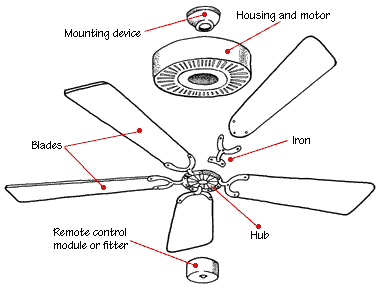
Summer in India without a ceiling fan? Unthinkable! It doesn’t actually cool the air but creates a wind chill effect by blowing air over your skin, evaporating sweat and making you feel cooler. The electric motor spins the blades, pushing air downward in summer mode (counterclockwise) or circulating warm air in winter (clockwise). That pull chain or remote? It controls speed by varying voltage to the motor.
Pro tip: Flip to reverse in winter to push down trapped warm air—saves on heating bills! From lazy afternoons under the fan to surviving power cuts, this simple device uses basic fluid dynamics to keep us comfy.
Invisible Waves: How WiFi Connects Your World
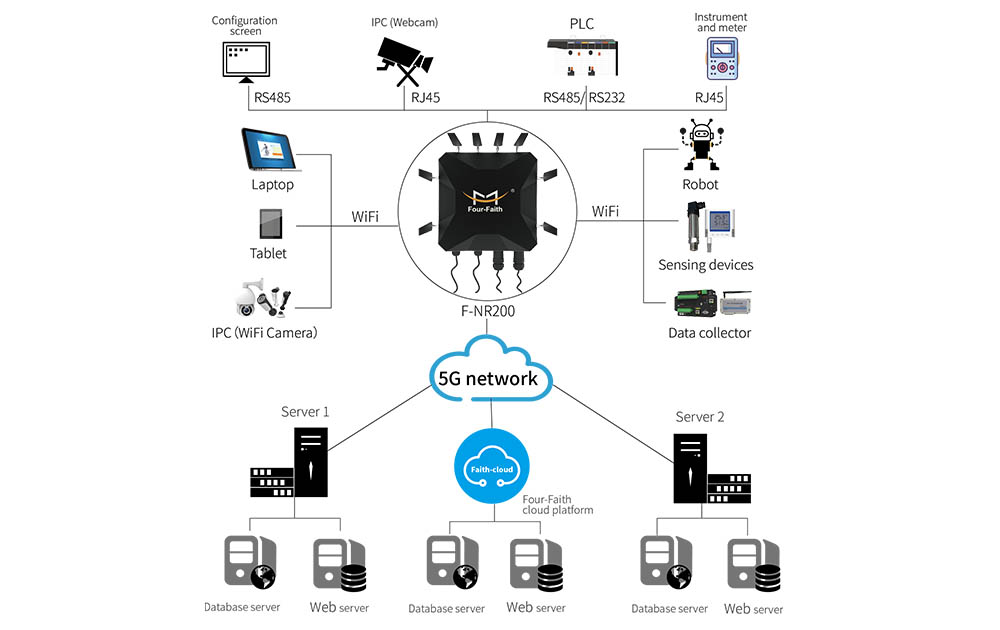
Scrolling Instagram during a family Zoom call? Thank WiFi for that seamless connection. It works by transmitting data via radio waves from your router to devices, using frequencies like 2.4 GHz or 5 GHz. The router, hooked to your modem, broadcasts these waves, encoding info that your phone or laptop decodes. Walls weaken the signal (especially concrete ones in Indian homes), but boosters help extend range.
In our digital age, from online classes to streaming IPL matches, WiFi’s electromagnetic magic keeps us linked. Ever wonder why it slows in crowded areas? Too many devices competing for waves!
Wrapping Up the Everyday Wonders
From the pressure cooker’s steamy efficiency to soap’s grime-busting bubbles, everyday science turns ordinary objects into extraordinary helpers. These aren’t just gadgets; they’re clever applications of physics and chemistry making life easier in our Indian homes. Next time you use one, take a moment to marvel—it’s like having a mini lab everywhere!
COMMENTS