

Remember that rainy afternoon when you huddled with family, munching on samosas, watching a classic like Sholay? Or the spine-tingling thrill of a lat
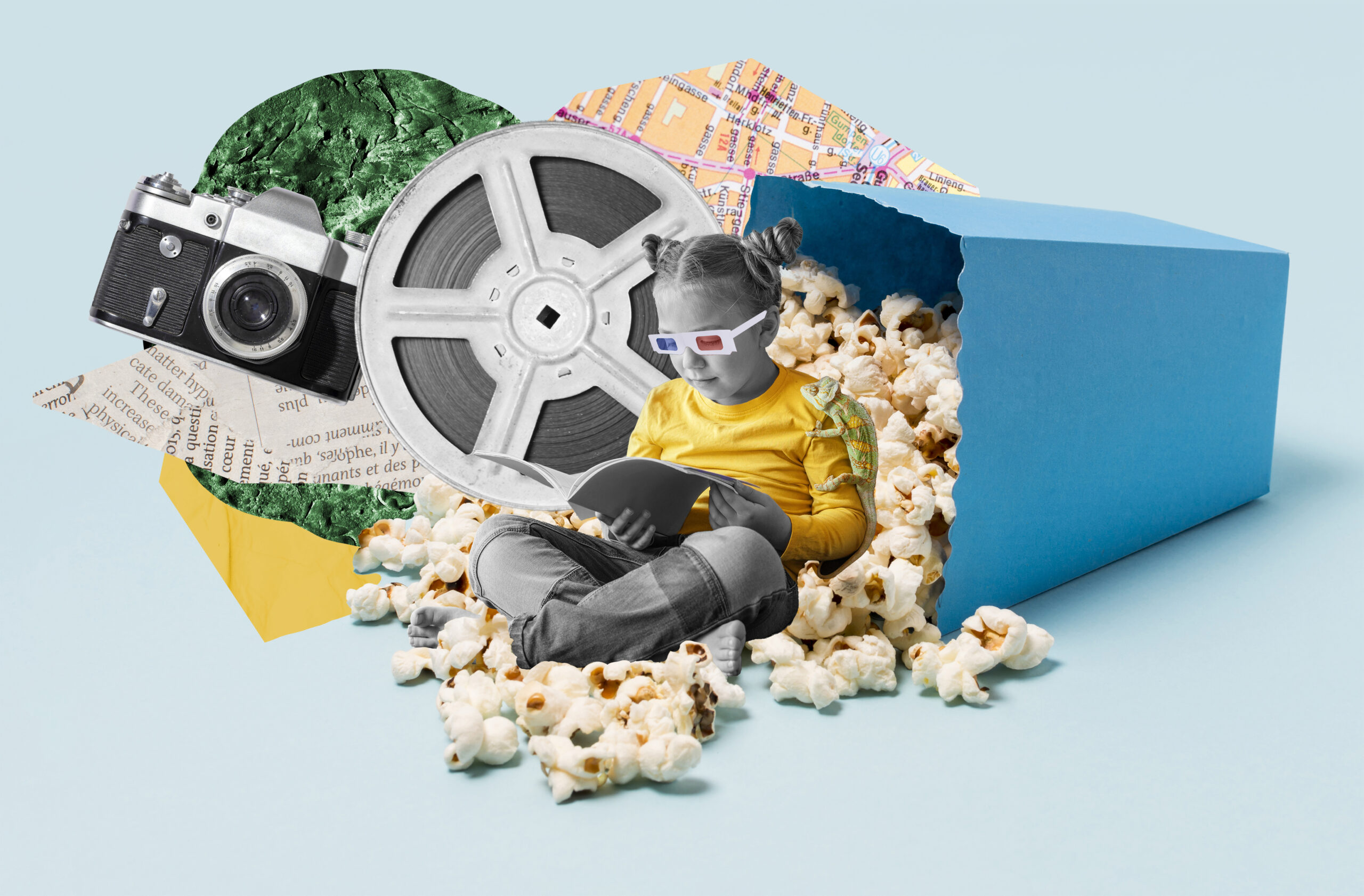
Remember that rainy afternoon when you huddled with family, munching on samosas, watching a classic like Sholay? Or the spine-tingling thrill of a late-night horror flick like Bhoot that kept you up? Movies aren’t just entertainment—they’re mirrors of our times, and their genres have evolved wildly over the decades. As a die-hard cinephile from Mumbai who’s binged everything from black-and-white epics to OTT blockbusters, I’m obsessed with how genres like horror, sci-fi, and musicals have shape-shifted. They’ve gone from simple scares and songs to deep dives into society, tech, and emotions. Let’s unpack this cinematic journey, with a special nod to Bollywood’s unique evolution of movie genres that adds that desi tadka. Buckle up—it’s going to be a fun ride!
The Spine-Chilling Evolution of the Horror Genre
Horror has always tapped into our deepest fears, but boy, has it changed! Back in the silent era of the 1890s-1920s, it started with short, eerie films like George Méliès’ haunted tricks—think ghostly apparitions that made audiences jump without a single scream. By the 1930s Golden Age, sound added terror with icons like Dracula and Frankenstein, turning monsters into stars.
Fast-forward to the 1950s-60s, and horror blended with sci-fi for atomic-age chills—giant bugs and alien invasions reflecting Cold War paranoia. The 1970s slasher boom (hello, Halloween!) brought gore and psychology, while the 2000s saw found-footage like Paranormal Activity and elevated horror like Get Out tackling racism. Today, in 2025, it’s all about psychological twists and social commentary, like films exploring mental health or pandemics.
In Bollywood, horror’s evolution is pure masala—mixing scares with drama and even songs! The 1970s-80s Ramsay Brothers era gave us low-budget gems like Veerana, full of ghosts and glamour. Now, think Tumbbad (2018) or Stree (2018)—smart, folklore-based horrors that blend myth with humor, perfect for our festival-loving crowds.

What if our ancient tales like vetalas inspired the next global horror hit? Makes you think, right?
The Futuristic Leap: Evolution of the Sci-Fi Genre in Movies
Sci-fi started as wild imagination but evolved into mind-bending reality checks. In 1902, Méliès’ A Trip to the Moon kicked it off with cardboard rockets and moon creatures—pure fantasy on film. The 1950s golden age brought serious stuff like The Day the Earth Stood Still, warning about nukes and aliens amid post-WWII fears.
By the 1960s-70s, 2001: A Space Odyssey blew minds with AI and evolution, while Star Wars (1977) turned sci-fi into blockbuster space operas. The 1980s-90s added cyberpunk with Blade Runner and The Matrix, questioning reality in the digital age. Now, in 2025, it’s diverse—Dune explores ecology, while Everything Everywhere All at Once mixes multiverses with family drama.
Bollywood’s sci-fi evolution? From Mr. India (1987)’s invisible hero to Koi… Mil Gaya (2003) borrowing from E.T., we’ve added emotional family bonds. Recent hits like Kalki 2898 AD (2024) blend mythology with dystopia—imagine Mahabharata meets Mad Max! It’s our way of making sci-fi relatable, like pondering AI in a world of chai and chatbots.

Ever wonder if sci-fi predicts our future, like how Black Mirror nailed social media woes?
Singing Through the Screen: The Rhythmic Evolution of Musicals
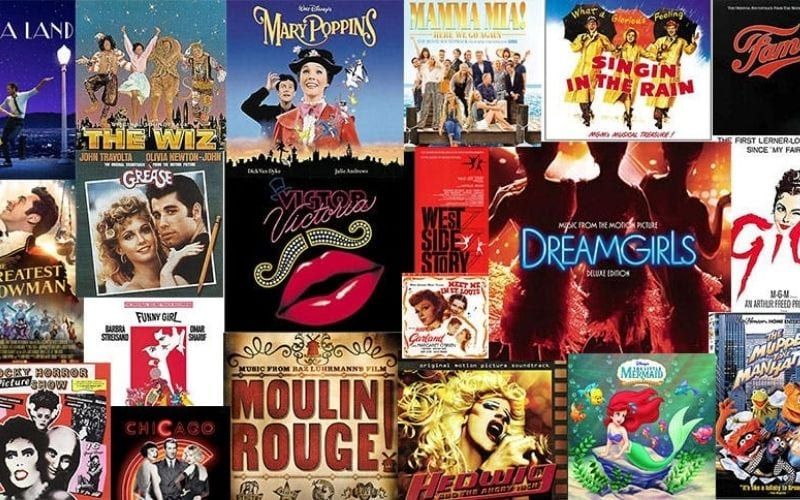
Musicals? They’re cinema’s feel-good heartbeat, evolving from stage to screen with toe-tapping joy. The 1927 Jazz Singer introduced sound with songs, birthing the genre amid the talkie revolution. The 1930s-50s Golden Age shone with Fred Astaire dances and Wizard of Oz magic, escaping Depression-era blues.
The 1960s branched into rock with West Side Story, while the 1970s-80s dipped (blame over-the-top flops) but rebounded with Grease’s nostalgia. By the 2000s, Chicago and Moulin Rouge! revived it with edgier vibes, and today, La La Land (2016) or In the Heights mix romance with real-world issues.
In Indian cinema, musicals are our DNA! From Alam Ara (1931), our first talkie with songs, to the 1950s-60s golden era of Guru Dutt’s poetic melodies. The 1970s masala films like Amar Akbar Anthony threw in everything—dance, drama, qawwalis. Now, with Gully Boy’s rap or RRR’s global beats, Bollywood musicals evolve to reflect urban youth and diversity.
Isn’t it wild how a song can capture a generation’s spirit, from “Yeh Dosti” to today’s viral reels?
Bollywood’s Masala Mix: How Indian Cinema Redefines Genre Evolution
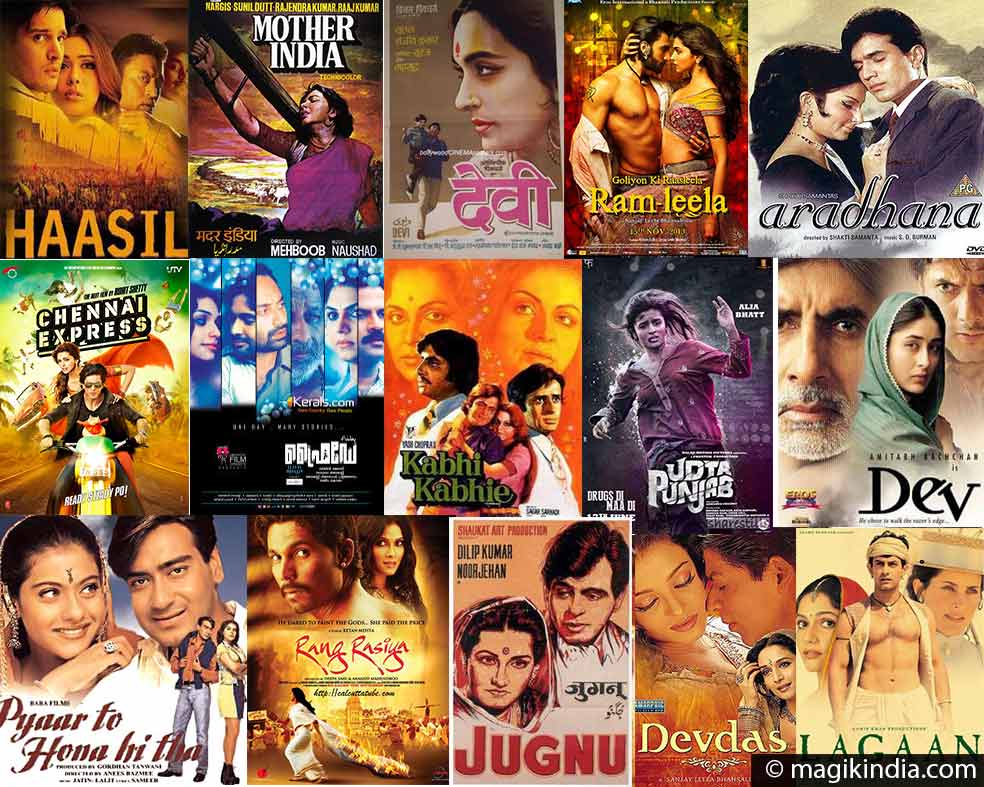
Bollywood hasn’t just followed global trends—it’s remixed them! The silent era (1913-1931) focused on myths like Raja Harishchandra. Post-independence Golden Era (1947-1969) brought social dramas, while the 1970s Angry Young Man phase (Amitabh in Deewaar) fused action with emotion. The 1990s rom-coms like DDLJ defined eternal love, and now, with OTT, we’re seeing bold genres like thrillers in Sacred Games.
Data shows Bollywood’s top genres shift—romance ruled the 1990s, but action and biopics dominate today. It’s our cultural heartbeat, evolving with society—from partition tales to #MeToo stories.
Wrapping Up the Cinematic Saga
The evolution of movie genres like horror, sci-fi, and musicals shows how cinema adapts to our world—scaring us with current fears, dreaming of futures, and singing our joys. In Bollywood, it’s even more personal, weaving in our traditions and twists. These changes aren’t random; they reflect us—our tech boom, social shifts, and endless love for stories.
COMMENTS